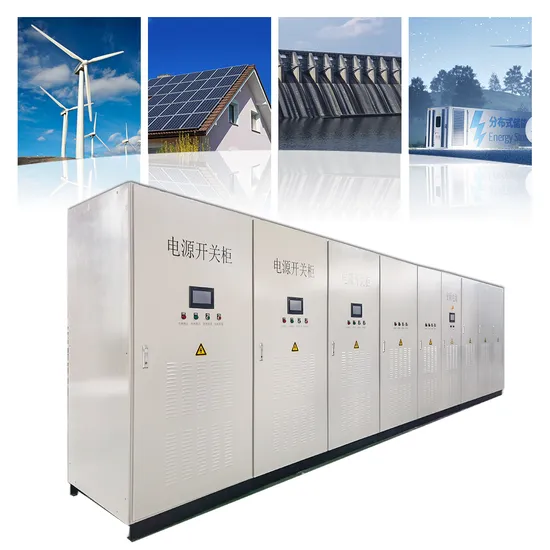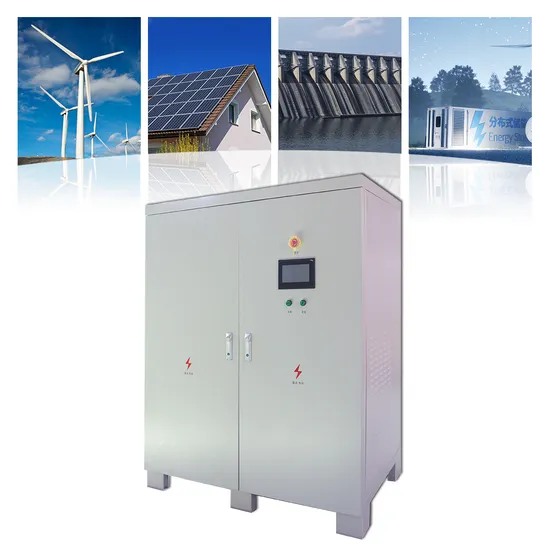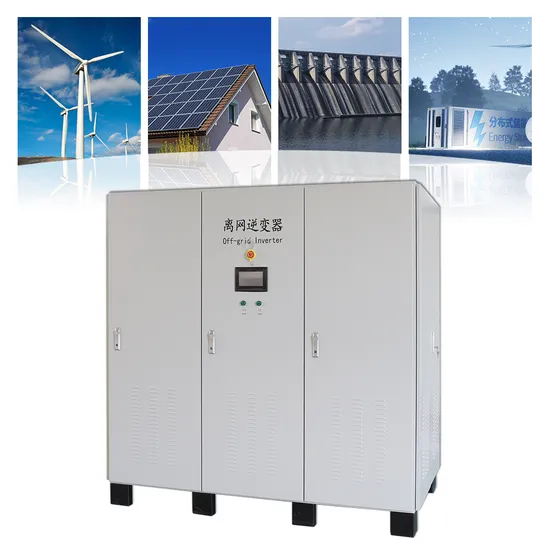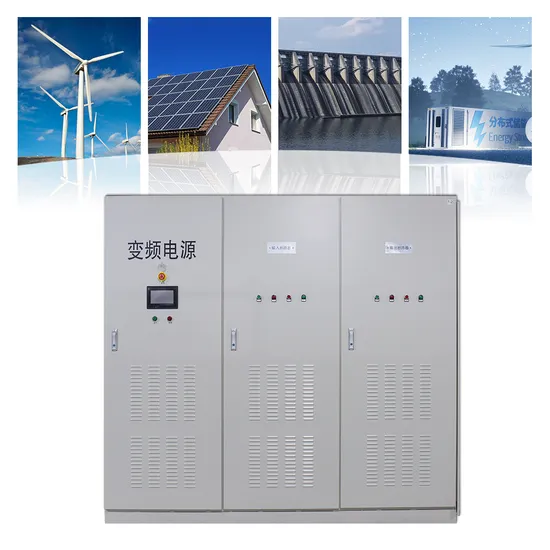
When selecting a hybrid inverter for grid connection and off grid, a comprehensive evaluation should be conducted from the aspects of load, battery, grid connection conditions, and reliability, to avoid only looking at the power size.
1、 Calculate load power
Calculate the total power of daily electrical loads and critical loads that must be guaranteed (such as lighting, communication, and production equipment), and reserve a margin of 1.2-1.5 times on this basis to determine the rated capacity of the inverter, in order to prevent long-term overload or frequent protection shutdown.
2、 Matching energy storage batteries
Confirm whether the battery voltage type (low voltage 48V or high voltage battery), chemical system (commonly lithium iron phosphate), and BMS communication protocol are compatible with the inverter, and consider both charging and discharging strategies and battery life.
3、 Check the grid connection conditions
Understand in advance whether the local area allows surplus electricity to be connected to the internet, the filing process, and the measurement method; If off grid backup power is the main focus, then the emphasis should be on independent power supply capability rather than online functionality.
4、 Value switching and protection performance
The switching time after a power outage should be controlled within milliseconds; Simultaneously verify functions such as anti islanding, overvoltage and undervoltage, overcurrent, lightning protection, and reverse connection protection, which directly affect electrical safety and equipment lifespan.
5、 Pay attention to MPPT and communication capabilities
Multi channel MPPT can improve photovoltaic efficiency under different lighting conditions; WiFi, RS485, CAN and other interfaces support remote monitoring, data reading and alarm management, making it easy for later operation and maintenance.
6、 Match the number of phases with installation
Single phase is generally chosen for household use, while three-phase is commonly used in industry and commerce; The installation space, heat dissipation conditions, wiring methods, and ease of maintenance in the later stage should also be confirmed synchronously and installed and debugged by qualified personnel.
7、 Comprehensive comparison of cost and after-sales service
In addition to the initial purchase cost, compare the battery matching investment, efficiency performance, warranty period, and local after-sales capabilities, and choose a model that matches the actual load scenario and long-term usage needs.