An off-grid wind power generation system is designed to operate independently of the main electrical grid. It uses wind energy to generate electricity, typically for remote areas where grid connectivity is unavailable or unreliable. Here’s how it works:
1. Wind Turbine
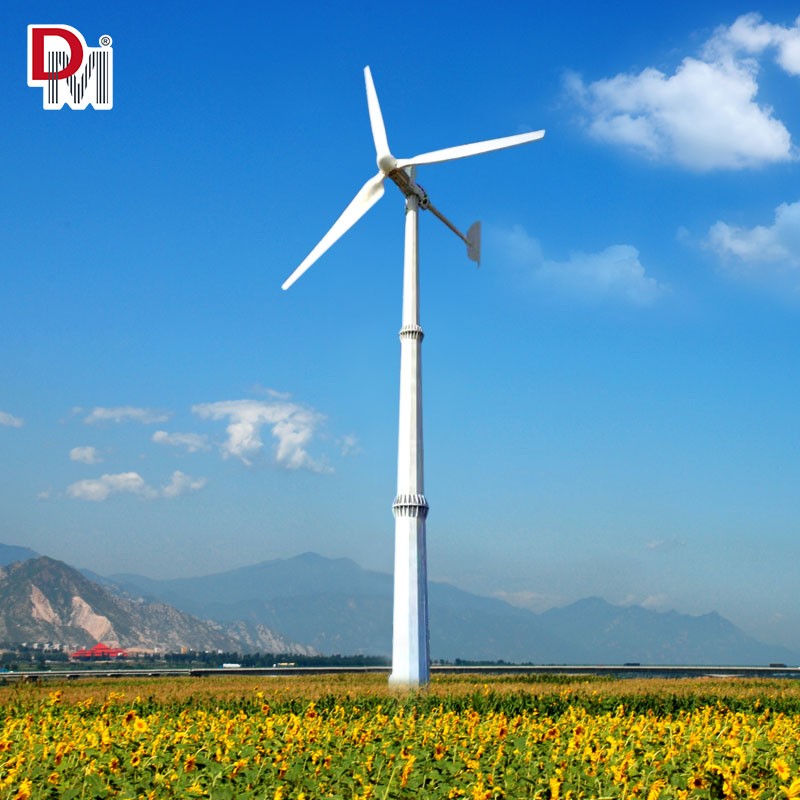
1.Function: The wind turbine is the core component. When wind blows, it causes the blades of the turbine to rotate. The rotational motion of the blades is converted into mechanical energy.
2.Wind Speed: The turbine works effectively at certain wind speeds, typically between 3 and 25 meters per second. Below this, the wind turbine may not generate enough power, and above this, the system may be designed to shut down for safety reasons.
2. Generator
3.Function: The rotating blades of the wind turbine are connected to a generator. The generator converts the mechanical energy from the turbine’s rotation into electrical energy.
4.Type: Most off-grid systems use either an induction generator or a permanent magnet synchronous generator (PMSG).
3. Charge Controller
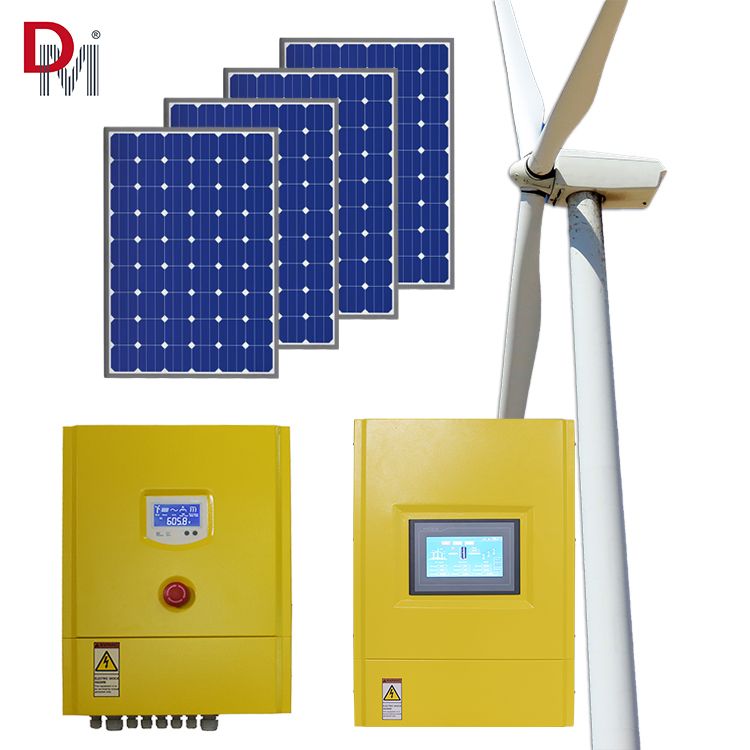
5.Function: This is a crucial component in an off-grid system. It regulates the voltage and current coming from the wind turbine to protect the battery bank. The controller ensures that the batteries are charged optimally, avoiding overcharging or deep discharge, which could damage the batteries.
6.Types: It can be a simple voltage regulator or a more sophisticated Maximum Power Point Tracking (MPPT) controller, which optimizes the energy extracted from the wind by adjusting to the varying wind speeds.
4. Battery Bank
7.Function: Since wind energy is intermittent (i.e., the wind doesn’t blow constantly), the battery bank stores the electricity generated during windy periods. This stored energy can then be used when the wind isn’t blowing or when energy demand exceeds current wind generation.
8.Battery Type: Typically, deep-cycle lead-acid batteries or lithium-ion batteries are used in off-grid wind systems because they are designed for regular charging and discharging.
5. Inverter
9.Function: Wind turbines typically generate DC (direct current) electricity, but most household appliances use AC (alternating current) electricity. The inverter’s role is to convert the DC electricity from the battery bank into AC electricity, which can be used by the home or facility.
10.Pure Sine Wave vs Modified Sine Wave: Some systems may use pure sine wave inverters (more efficient and stable), while others may use modified sine wave inverters (less expensive, but may not be compatible with all appliances).
6. Distribution Panel
11.Function: The distribution panel directs the electricity to various parts of the home or facility. It acts as the central hub, distributing the electricity for different needs, whether for lighting, heating, or powering appliances.
7. System Monitoring (Optional)
12.Function: Some off-grid wind systems include monitoring devices that track performance. These systems can help users optimize energy usage, track wind speeds, and measure the efficiency of the wind turbine and battery system.
8. Backup Power (Optional)
13.Function: In some cases, backup generators (usually fueled by diesel or gas) are integrated into the system. If the wind isn’t generating enough power for an extended period, the backup generator can kick in to provide additional electricity.
Workflow Summary:
14.The wind turbine captures wind energy and turns it into mechanical energy.
15.The generator converts mechanical energy into electrical energy.
16.The electricity is regulated by the charge controller, which directs it to the battery bank for storage.
17.When needed, the electricity is converted from DC to AC by the inverter.
18.The distribution panel distributes the AC power to the home or facility, providing a reliable source of electricity, even without a connection to the grid.
Benefits of Off-Grid Wind Power Systems:
19.Energy Independence: Off-grid wind systems provide electricity in areas with no access to the grid.
20.Sustainability: They are renewable energy sources that reduce reliance on fossil fuels.
21.Cost-effective in Remote Areas: For remote locations where grid power infrastructure is expensive to install, wind power can be a cost-effective alternative.
Challenges:
22.Intermittency: Wind doesn’t blow consistently, so there may be times when there isn’t enough power.
23.Initial Cost: Setting up an off-grid wind system can have a high upfront cost, especially when accounting for the turbine, battery storage, and inverter.
24.Space Requirements: Wind turbines need to be installed in areas with sufficient wind speeds, which may not always be available.
This system provides a sustainable and reliable alternative to grid power, especially in remote areas. However, it requires careful planning to ensure the correct balance between generation, storage, and consumption.