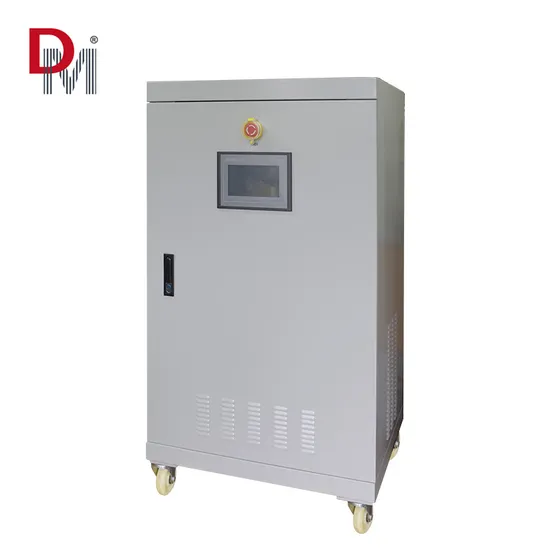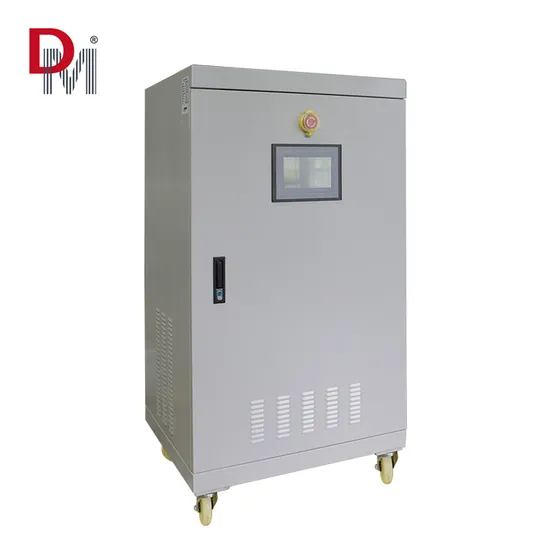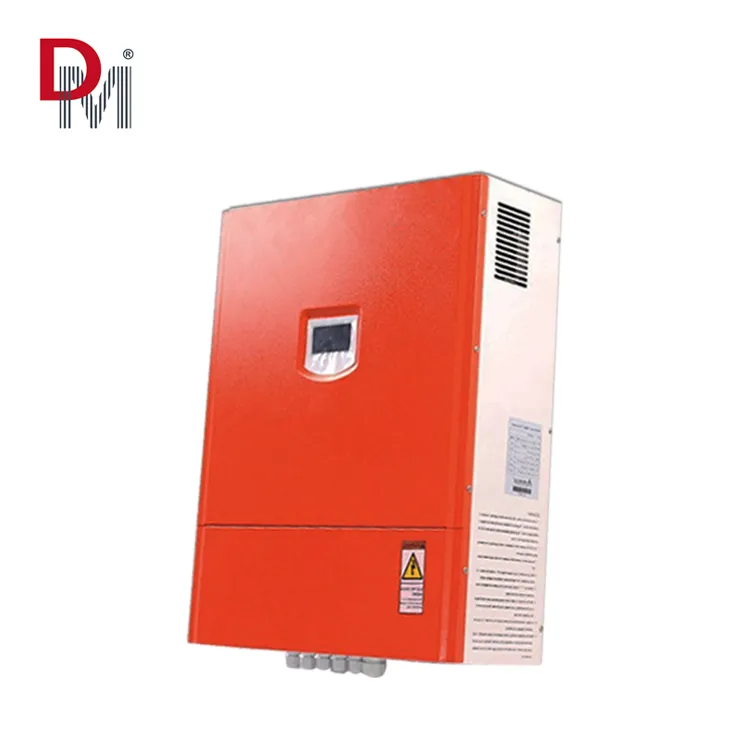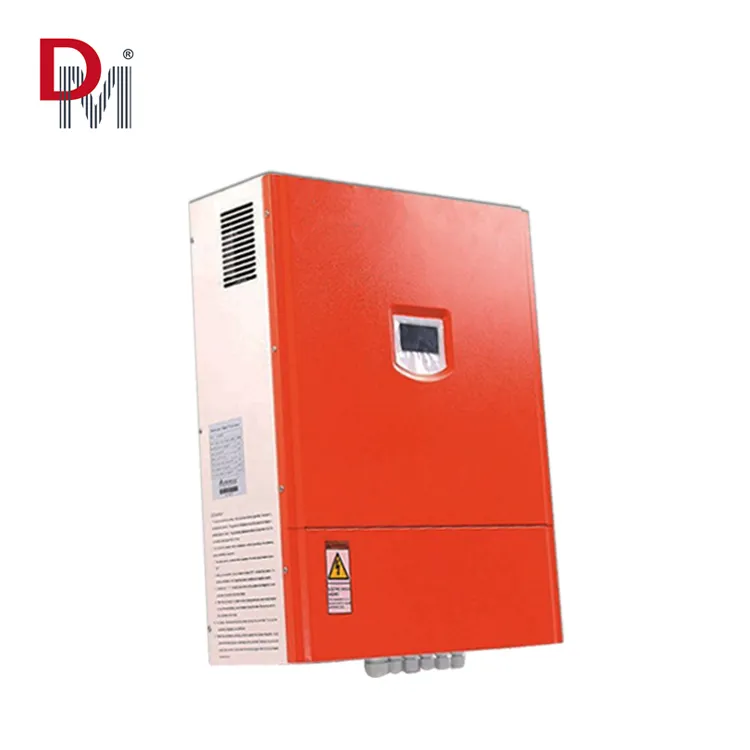
What is a Solar Charge Controller?
A solar charge controller is an essential component in a solar power system. It regulates the voltage and current coming from the solar panels to the batteries, ensuring that the batteries are charged optimally without overcharging or deep discharging. This control helps prolong battery life and maintains their overall health.
How Does a Solar Charge Controller Work?
Essentially, a solar charge controller acts as a gatekeeper for electricity flowing from the solar panels. When sunlight hits the solar panels, they generate electrical energy which can either be directed to charging the batteries or powering devices. The controller monitors the battery’s charge level and adjusts the flow of electricity accordingly. By doing so, it prevents battery overloading, a common issue that can lead to battery failure.
Types of Solar Charge Controllers
There are primarily two types of solar charge controllers: PWM (Pulse Width Modulation) and MPPT (Maximum Power Point Tracking). PWM controllers are simpler and more cost-effective, suitable for smaller systems. On the other hand, MPPT controllers are more efficient and can maximize the energy harvest from solar panels, making them ideal for larger or more complex installations. Choosing the right type depends on your specific solar energy needs.
In conclusion, a solar charge controller is vital for anyone looking to harness solar energy effectively. By understanding its function and types, users can make informed decisions leading to better energy management and longer-lasting batteries.