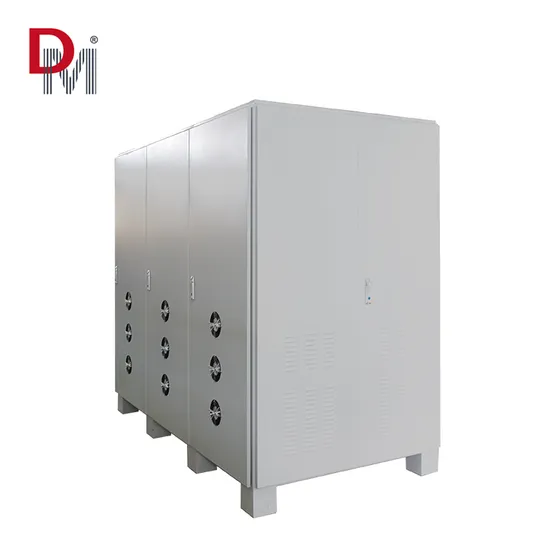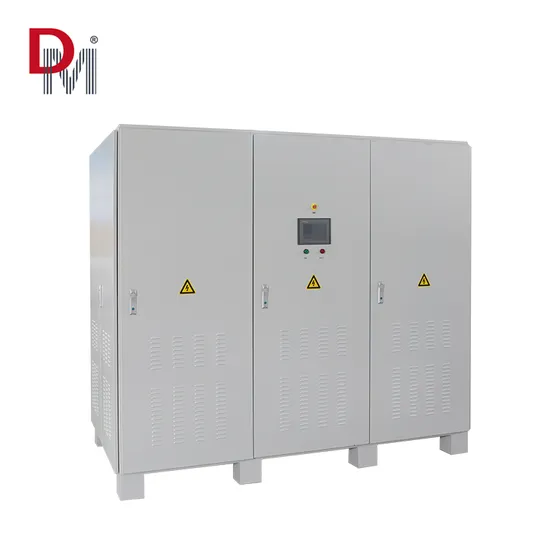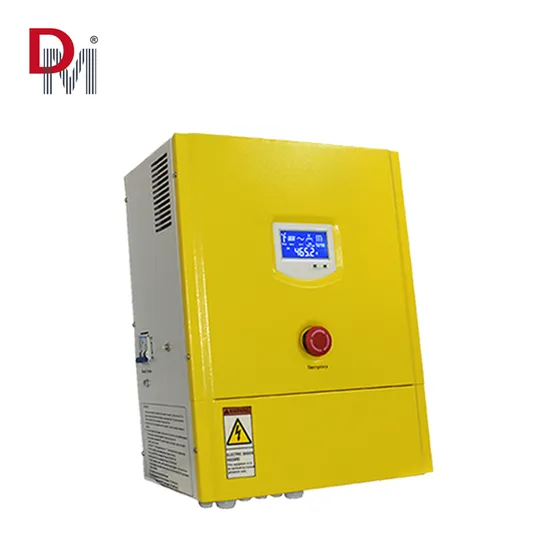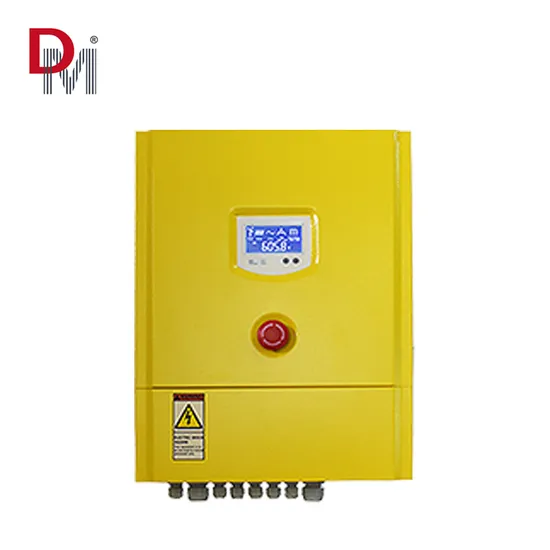
The core function of three-phase hydroelectric power converters revolves around the conversion of electrical energy and stable control in hydroelectric power generation scenarios. They are the core equipment that ensures the efficient and reliable operation of the power generation system, and can be specifically divided into the following categories:
1、 Basic energy conversion function
Bidirectional energy conversion: realizing the mutual conversion between AC and DC electricity, completing the entire process of rectification and inversion, and adapting to the output characteristics of hydro generators.
Multi dimensional power regulation: Accurately transform the voltage, frequency, phase number, waveform and other characteristics of electrical energy, and output qualified electrical energy that meets grid connection standards.
Maximum Power Point Tracking (MPPT): dynamically adapts the output characteristics of hydro generators to maximize the capture of water energy and improve power generation efficiency under conditions of water volume and speed fluctuations.
2、 Stability control function of power generation system
Excitation and voltage stability: When the generator is under load, it outputs corresponding excitation current, compensates for armature reaction, and stabilizes the working voltage under load conditions.
Dynamic coordination of working conditions: Under complex working conditions with changes in water volume and speed, coordinate the operating rhythm of the entire power generation system to ensure continuous and controllable power generation process.
Harmonic suppression: Through digital control technology, the output current harmonic THD is controlled within 3%, significantly improving the smoothness of the output electrical energy.
3、 Grid connection and energy efficiency optimization function
Grid adaptation: Output electrical energy that meets the requirements of the power grid, with a power factor of 0.99 or higher, ensuring reliable connection between the power generation side and the power grid.
Energy efficiency improvement: Fully utilize the capacity of power equipment, reduce voltage and power losses in transmission and distribution lines, and achieve a maximum inverter efficiency of 96% for the entire machine.
Grid compatibility: It can operate stably in a grid environment with voltage fluctuations of ± 20% and frequency fluctuations of ± 10%, and is suitable for complex grid conditions.
4、 Security protection function
Comprehensive fault protection: integrating multiple protection mechanisms such as polarity reversal, short circuit, islanding effect, low voltage ride through, overheating, overload, and ground fault.
Automatic start stop control: automatically put into operation after meeting the conditions of power generation and grid, and can automatically restart within 2 minutes after power failure, suitable for unmanned hydropower station scenarios.