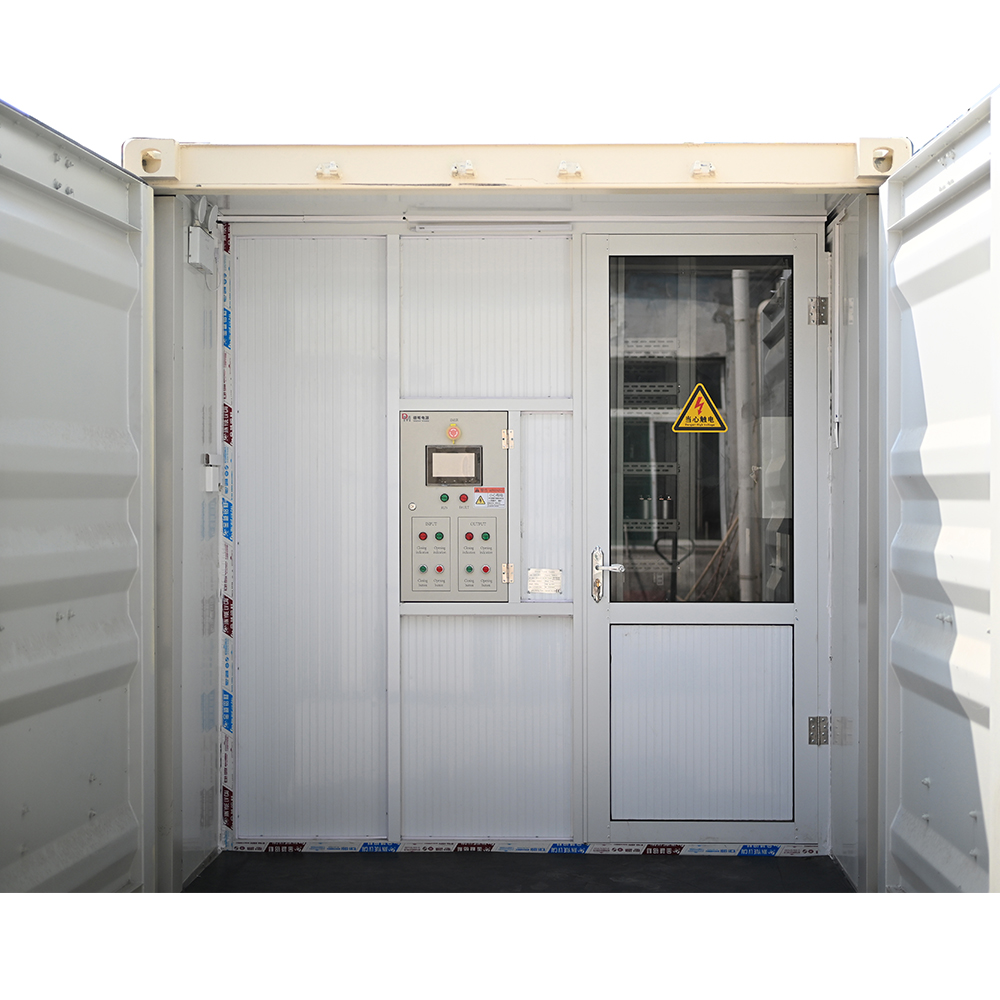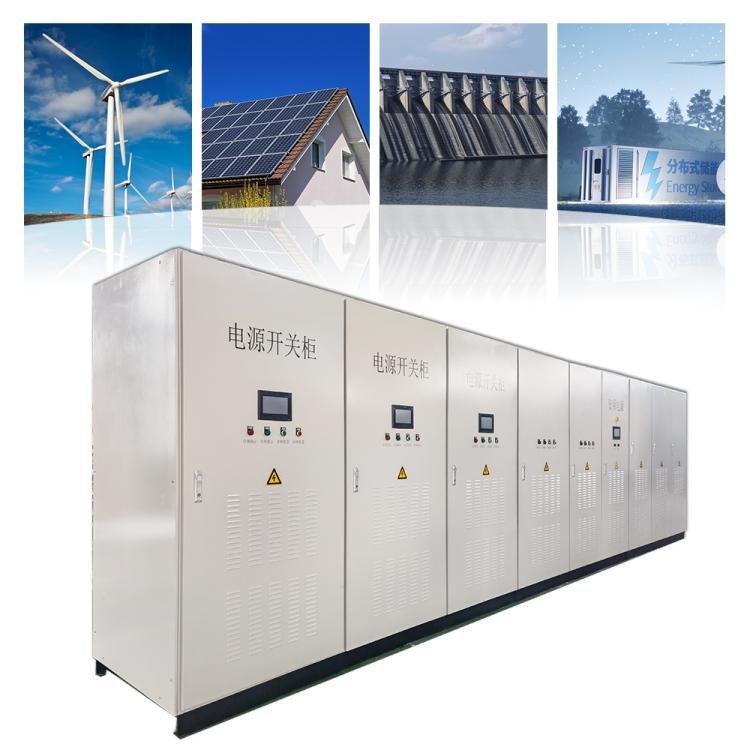
High Voltage Shore Power Supply systems, particularly those in the DM series, are designed to provide a reliable and efficient electrical supply to vessels while they are docked at port. This technology offers several applications across various industries, particularly in maritime sectors. Below are some detailed application scenarios for High Voltage Shore Power Supply DM series:
1. Port Operations:
- Reducing Emissions: One of the primary uses of shore power is to reduce emissions from ships while at berth. By connecting to a high voltage shore power supply, vessels can turn off their auxiliary engines, minimizing air pollution and complying with local and international regulations concerning emissions control.
- Noise Reduction: Shore power systems significantly reduce engine noise significantly, creating a quieter environment in ports and enhancing the quality of life for nearby residents.
2. Cruise Ships:
- Passenger Comfort: For cruise ships docked in popular tourist destinations, high voltage shore power allows for continuous power supply without running auxiliary generators. This ensures that essential services such as air conditioning, lighting, and entertainment systems remain operational.
- Environmental Compliance: Many regions restrict the use of auxiliary engines due to environmental concerns. Shore power provides a compliant solution that supports sustainable tourism practices.
3. Container Ships:
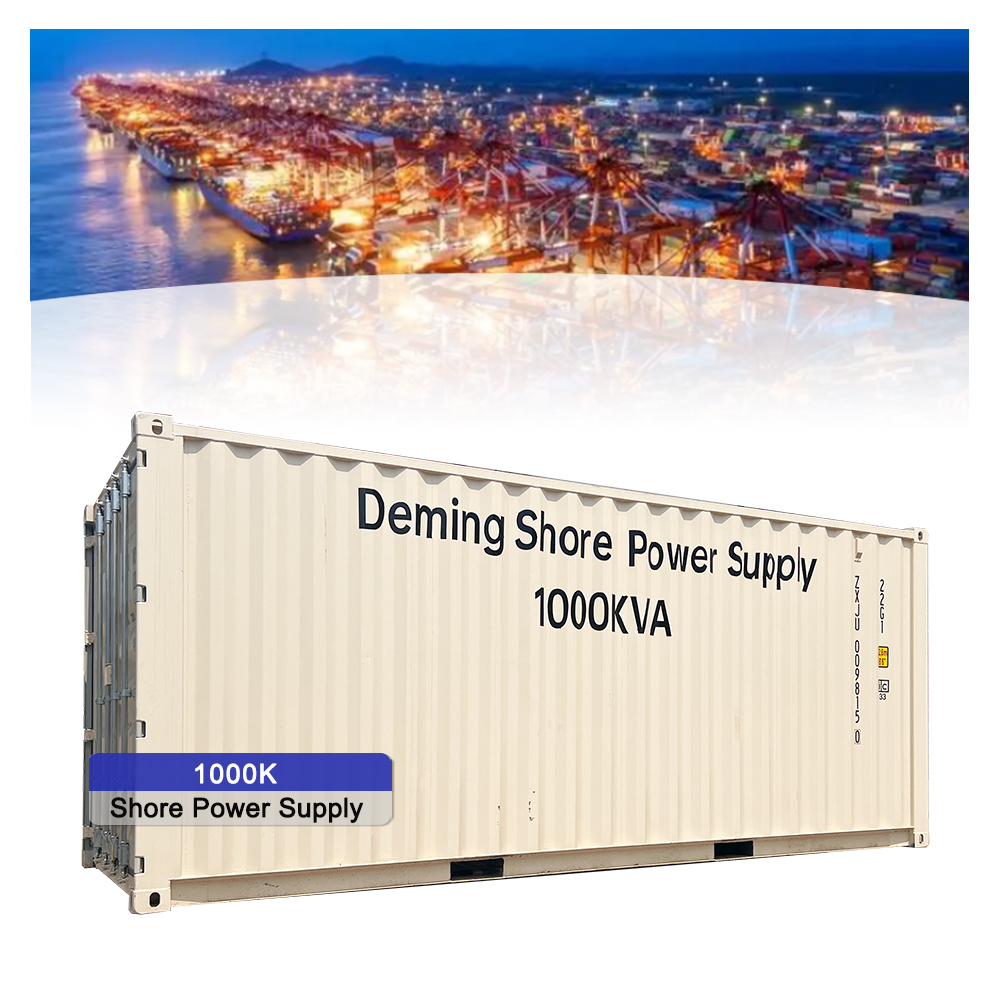
- Optimization of Turnaround Time: High voltage shore power enables container ships to power their equipment (like refrigerated containers) while unloading and loading cargo, thereby optimizing efficiency and reducing the time spent in port.
- Cost Efficiency: Using shore power can be more cost-effective than generating power on board, helping shipping companies lower operational costs.
4. Ferries and Offshore Vessels:
- Continuous Operation: Ferries can use shore power while loading and unloading passengers and vehicles, which helps maintain a continuous operation cycle and reduces operational costs.
- Safety and Reliability: Offshore support vessels often operate under strict safety protocols. Utilizing shore power reduces the operational load on generators and enhances reliability during critical operations.
5. Yachts and Commercial Boats:
- Luxury Experience: Superyachts and high-end commercial vessels can connect to shore power to maintain luxurious amenities without harmful emissions, improving guests’ experience while ensuring compliance with marina regulations.
- Maintenance: Using a shore power supply can help in maintaining the electric systems of recreational vessels while they are docked.
6. Research Vessels:
- Battery Charging and Equipment Maintenance: Research vessels often need to power scientific instruments and equipment while docked. Shore power supports continuous operation of these systems, allowing for consistent data collection and maintenance.
- Sostenibilidad: Utilizing shore power minimizes the vessels’ carbon footprint, aligning with the environmental goals of many research institutions.
7. Coastal and Island Ports:
- Energy Security: High voltage shore power systems can support remote island ports where infrastructures are limited. By providing a stable shore power connection, these areas can reduce dependency on local fossil fuel energy sources.
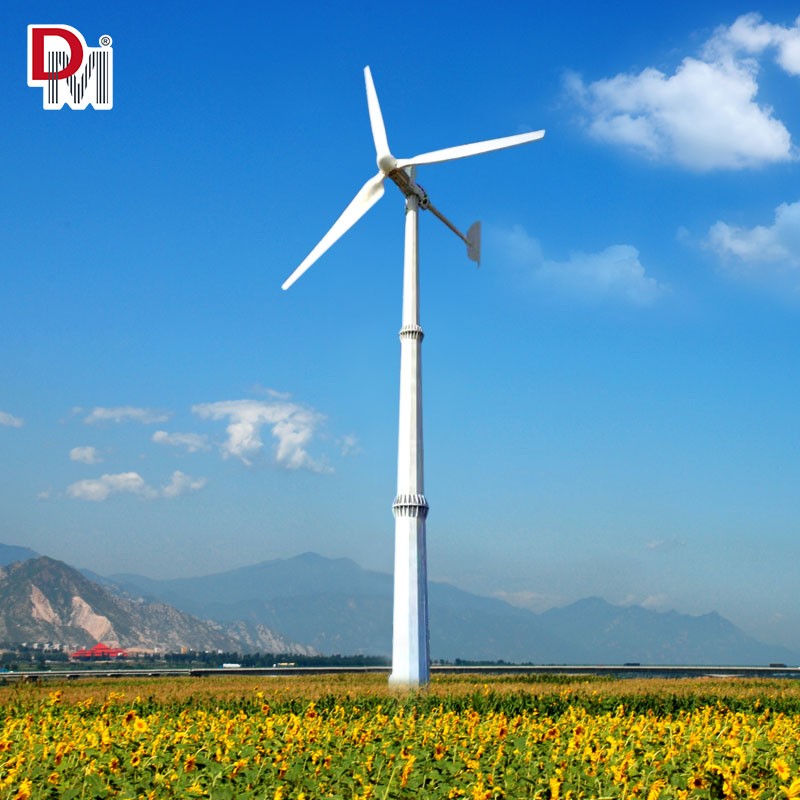
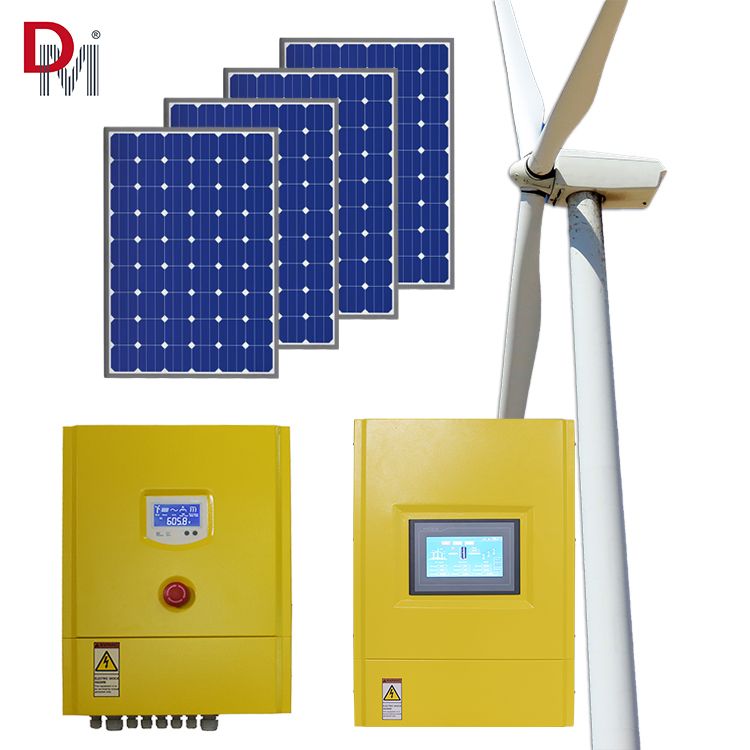
- Integration with Renewable Energy Sources: Shore power systems can be integrated with local renewable energy sources (such as solar or wind), enhancing sustainability initiatives.
8. Naval Applications:
- Strategic Harbor Operations: Naval ships can utilize shore power to maintain war readiness capabilities while in port without maintaining high levels of shipboard power generation, reducing logistical complexities and increasing safety.
- Support for Maintenance Activities: Naval vessels often require extensive maintenance when docked. High voltage shore power allows for continued operation of diagnostic and repair tools without running ship engines.