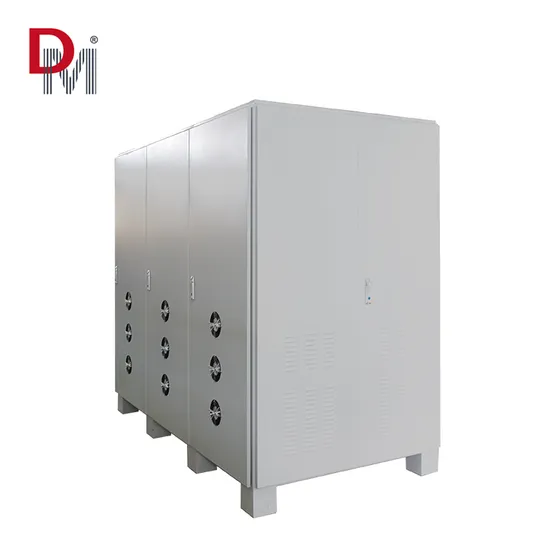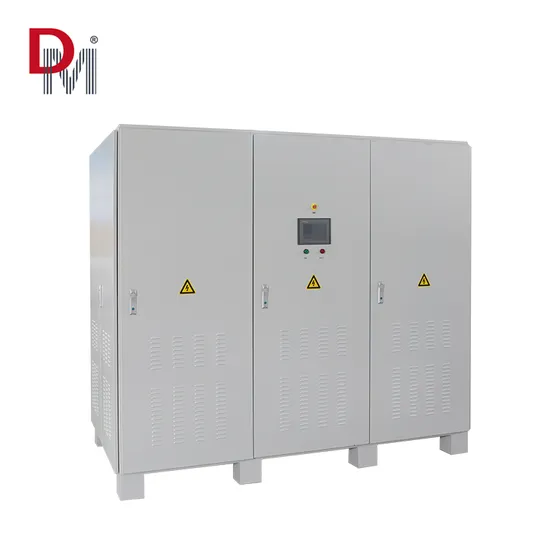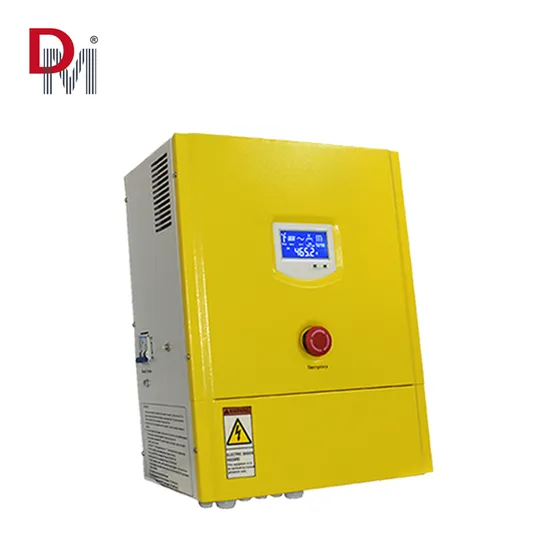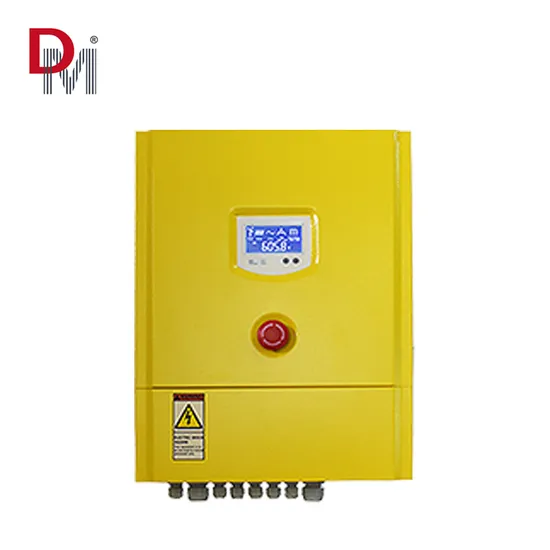
The application scenarios of solar inverters can be classified into several categories based on whether they are connected to the power grid or equipped with batteries.
① Off grid independent power supply – completely disconnected from the grid, self-sufficient
Suitable for areas without power grid coverage (remote mountainous areas, islands, pastoral areas), emergency backup power, and mobile scenarios (RVs, camping, yachts). The inverter is responsible for the entire task of “discharging from the battery+converting to AC”. The selection depends on the pure sine wave output (non pure sine waves can damage motor loads), overload capacity, and compatibility with the battery (charging control is often undertaken by the controller).
② Grid connected power generation – integration into the power grid, mainly relying on selling electricity/saving electricity
Covering household roofs, industrial and commercial roofs, and large ground level power stations. The inverter directly converts photovoltaic DC into AC power of the same frequency and phase as the grid, which is connected to the grid. The most critical factors are islanding protection (automatic disconnection in case of power loss to prevent injury caused by reverse power transmission), multi-channel MPPT, and phase-locked ability to follow the frequency and voltage of the power grid.
③ Energy storage/hybrid system – equipped with battery, bidirectional conversion
This is the fastest-growing scenario, including household energy storage (peak valley arbitrage, using power outages as UPS), industrial and commercial peak shaving and valley filling, large-scale energy storage power station peak shaving and frequency regulation, and microgrids. The inverter should be able to work in both directions (AC → DC during charging, DC → AC during discharging), and support seamless switching off grid – automatically switching to battery power supply without flashing when the mains power is cut off.
④ Special/Emerging Scenarios
BIPV building photovoltaic integration, zero carbon park, photovoltaic storage and charging integration, mobile power supply, etc. This type places greater emphasis on protection level (IP level), intelligent scheduling capability, and communication compatibility with upper level energy management systems.