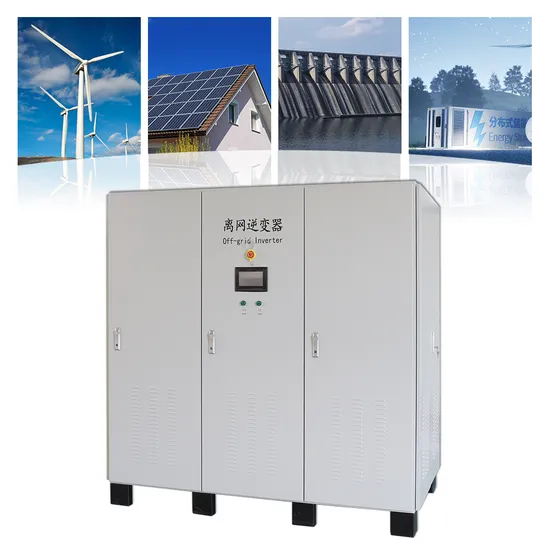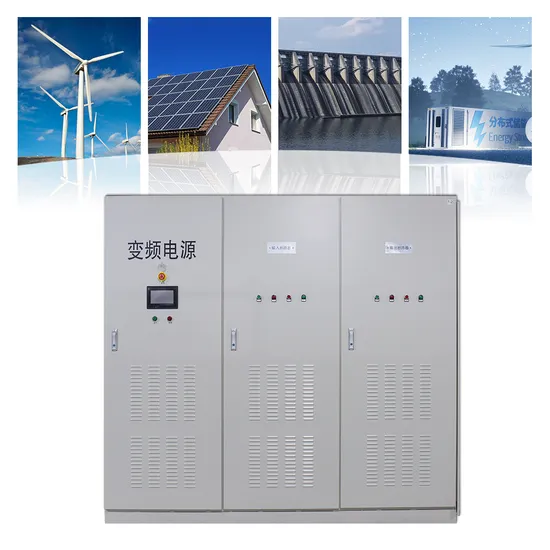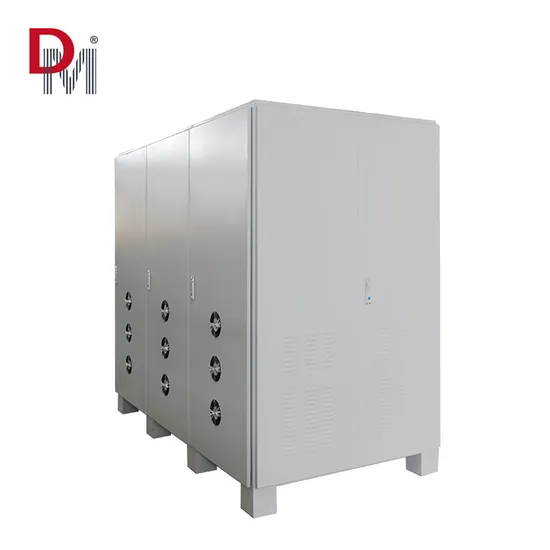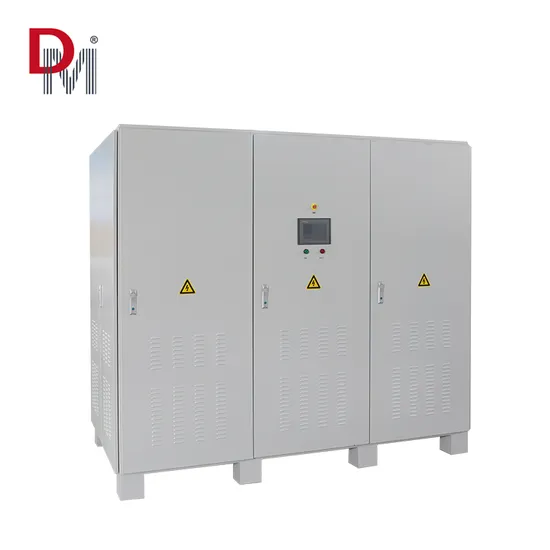
Bidirectional energy storage inverter: the “heart” of a micro power station
In photovoltaic energy storage systems, the photovoltaic panels generate direct current, while the household uses alternating current; I can’t run out of electricity during the day, and it’s not enough at night. To reconcile these contradictions together, it relies on bidirectional energy storage inverters – they are both the “translator” of energy and the “commander” of scheduling.
Three level circuit, completing three transformations
Upon disassembly, the bidirectional energy storage inverter has a three-stage core circuit inside, resembling a three-stage rocket:
The first stage is the MPPT boost circuit. The output voltage of photovoltaic panels fluctuates with light and temperature, resulting in low efficiency when used directly. This level adjusts the working point in real time to keep the photovoltaic panel running at its “maximum power”, which is equivalent to squeezing out every drop of water for solar energy.
Second level, bidirectional DC/DC conversion. This is the essence of the two words’ bidirectional ‘. When charging, it lowers the bus voltage and steadily charges the battery; When discharging, the low voltage of the battery is raised and sent to the DC bus. The current can go up or down, and the direction is decided by the chip.
Third level, DC/AC inverter bridge. Cut the DC power into a 50Hz sine wave and convert it into 220V AC power for household appliances. On the other hand, the alternating current in the power grid can also be rectified into direct current through this stage to supplement the energy of the battery.
Two ‘identities’, switching with the power grid
The inverter has two working identities, with a switching time of less than 20 milliseconds, which is almost imperceptible to humans:
When connected to the grid, it acts like a ‘follower’ – the output current closely follows the rhythm of the grid voltage, connecting to the grid whenever necessary and charging whenever necessary. The power grid is the boss, it plays a supporting role.
When it is off grid, it acts like a “self-sufficient” – when the power grid is cut off, it immediately takes over and generates a stable 220V, 50Hz voltage to keep the refrigerator, router, and lighting running as usual. At this point, it is a miniature power station.
A brain decides where electricity goes
All of this hardware is directed by a brain called EMS (Energy Management System). It focuses on three things: whether the lighting is good now, how much battery power is left, and whether the electricity price is peak or valley.
-Is the sunlight sufficient and the load light during the day? Excess electricity is charged into the battery.
-Is the battery full and the load still light? Selling surplus electricity to the power grid to earn electricity bills.
-Is the electricity price expensive at night? Discharge the battery and use it yourself without wasting money.
-Did the power grid suddenly shut down? Millisecond level disconnection from the network, critical loads do not lose power.