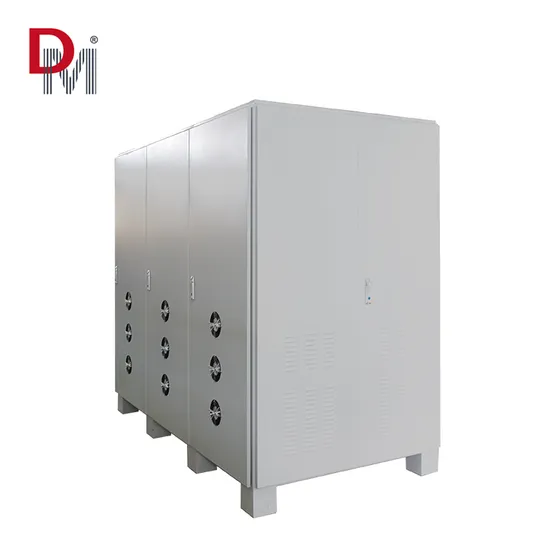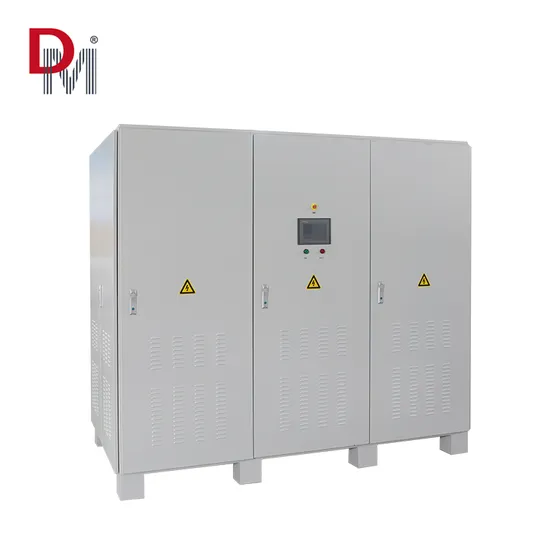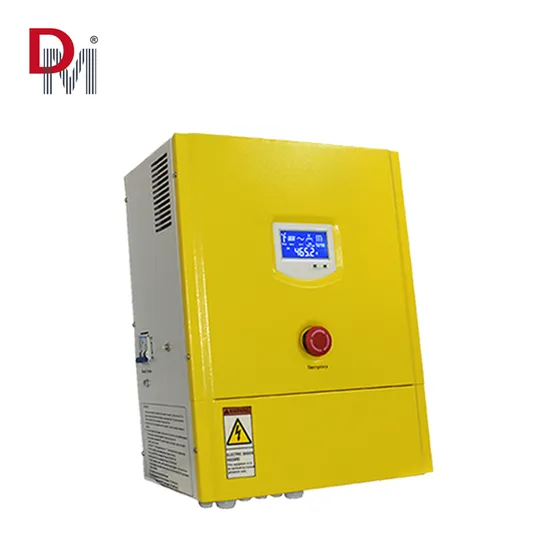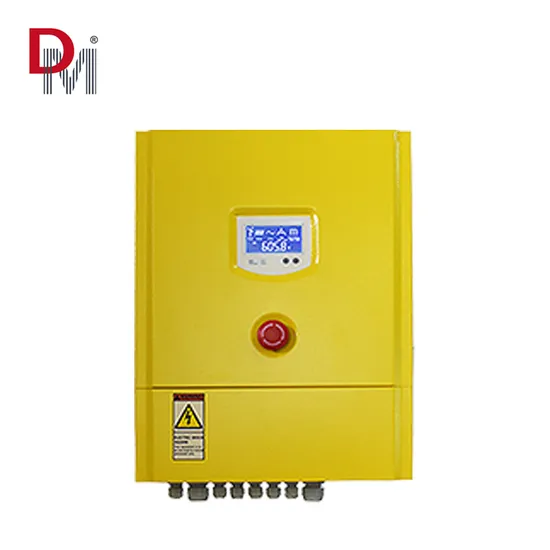
Core features of hybrid PCS: Equipped with MPPT photovoltaic input and bidirectional energy storage conversion, supporting seamless switching between grid connected and off grid, it can be used for self use or isolated power supply. The scenarios are divided into categories below:
1、 Industrial and commercial grid connected photovoltaic storage projects (mainstream)
1. Peak valley arbitrage (peak shaving and valley filling)
During the day, photovoltaic power generation is prioritized to supply the factory load, and excess electricity is stored in the battery; During peak periods of electricity prices, batteries are discharged to reduce grid purchases and lower electricity bills. The power grid can be recharged during low periods.
Applicable: factories, office buildings, shopping malls, data centers.
2. Demand management (reducing maximum demand)
The start-up of high-power equipment in the factory causes peak loads, and PCS quickly releases battery power to reduce maximum demand and lower basic electricity costs.
3. Backup power supply+improvement of power quality
Short term power outage in the power grid, PCS switching off the grid to ensure that important loads (automatic control equipment, servers, production lines) are not powered off; Simultaneously capable of reactive power compensation and harmonic control, suitable for weak power grid plant areas.
4. Photovoltaic consumption
The original photovoltaic capacity of the park was large, but the grid connection capacity was insufficient. Excess photovoltaic energy was stored through energy storage and mixed PCS to avoid photovoltaic power generation restrictions.
2、 Off grid/microgrid scenarios (areas without power grid or with poor power grid quality)
1. Remote areas without access to electricity
Mountain outposts, field base stations, islands, pastures, and field exploration camps.
System: Photovoltaic+hybrid PCS+energy storage battery+optional diesel generator, forming a photovoltaic storage diesel hybrid microgrid. Mainly based on photovoltaics, with battery peak regulation and diesel generators as backup. No need for a separate photovoltaic inverter+independent PCS, integrated control with a hybrid PCS.
2. Weak areas of the power grid (rural areas, remote villages and towns)
Unstable voltage, frequent power outages, and insufficient line capacity. Hybrid PCS network operation stabilizes voltage and frequency, enhances photovoltaic access capability, and reduces power outage losses.
3、 Household/Small Distributed Scenarios
1. Home light storage all-in-one machine
Household rooftop photovoltaics for self use and storage of surplus electricity; Power outage automatically switches off the grid to supply power to important loads such as refrigerators and lighting.
Features: Single phase low-power hybrid PCS, capable of off grid operation during power outages.
2. Homestays and small farms
Self provided photovoltaic energy storage can reduce electricity bills and address rural power grid power outages.
4、 Special industry scenarios
1. Communication base station
Outdoor base stations, edge computer rooms, photovoltaic+energy storage replace some of the mains electricity, reduce electricity bills, and serve as backup power sources, reducing the use of diesel generators.
2. Charging pile supporting photovoltaic storage system
Photovoltaic+energy storage+hybrid PCS supply power to DC charging piles, stabilize charging shock loads, reduce transformer expansion costs, and achieve green electricity charging.
3. Emergency power supply and mobile energy storage vehicles
Mobile photovoltaic storage system, integrated with hybrid PCS in energy storage cabins, disaster relief sites, temporary construction sites, photovoltaic on-site power replenishment, can be connected to the grid or independently loaded.
5、 Grid side auxiliary service scenario
The power station participates in auxiliary services such as grid frequency regulation, voltage regulation, and backup:
The photovoltaic+energy storage hybrid PCS quickly responds to dispatch instructions, regulates charging and discharging, supports grid stability, and is suitable for supporting energy storage in new energy power plants.