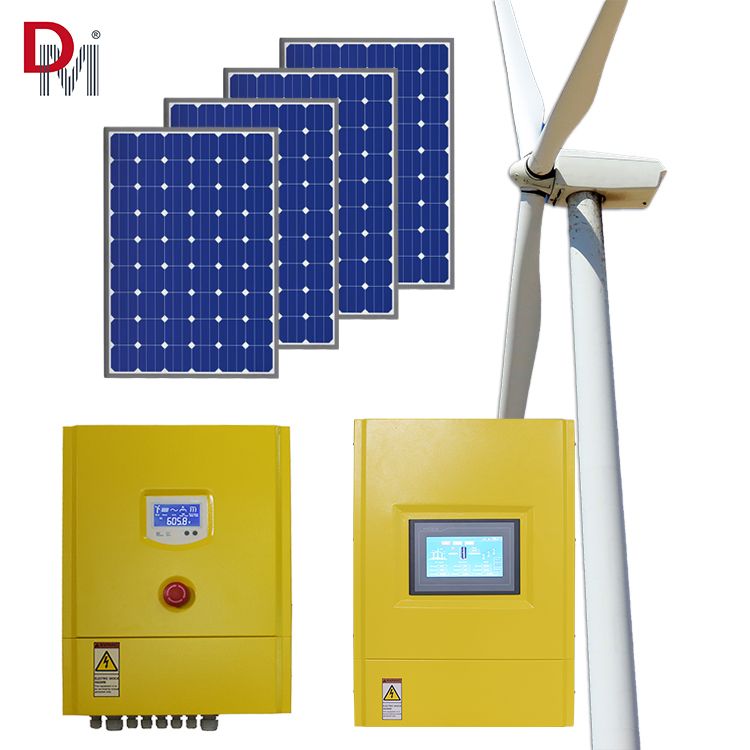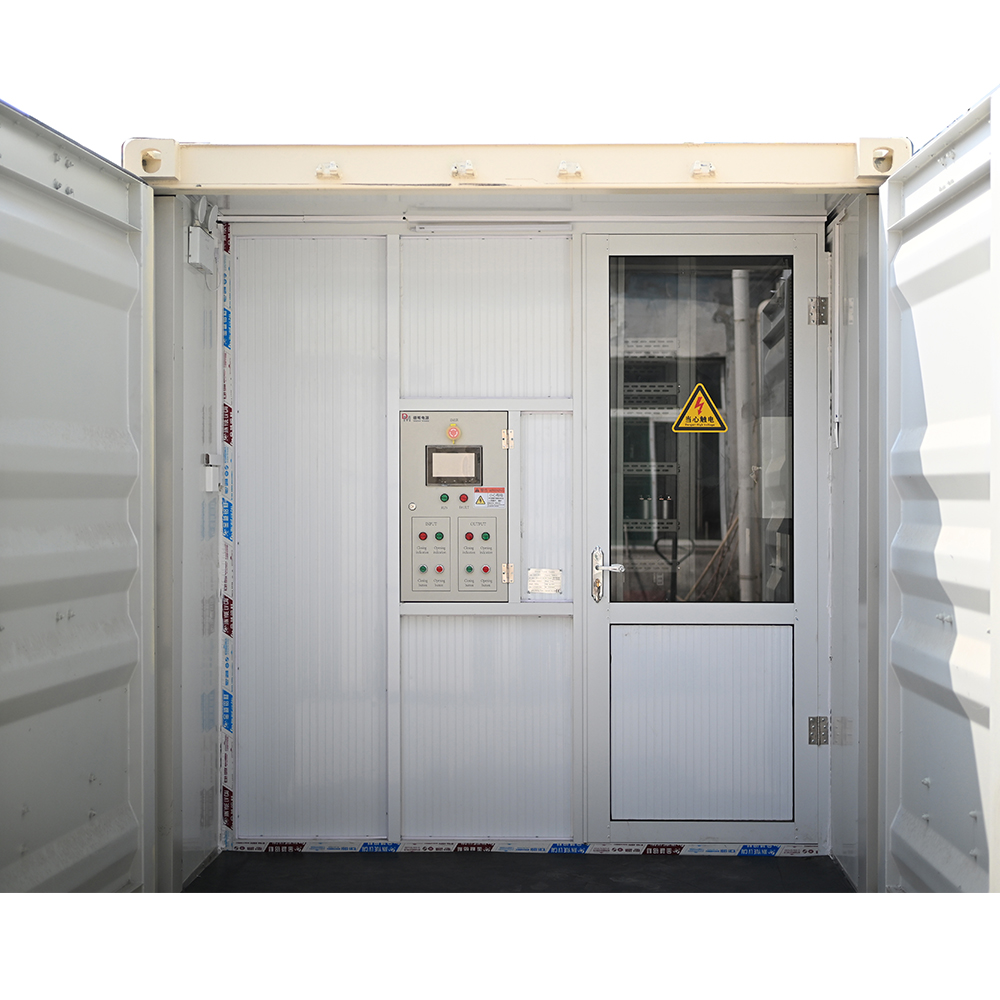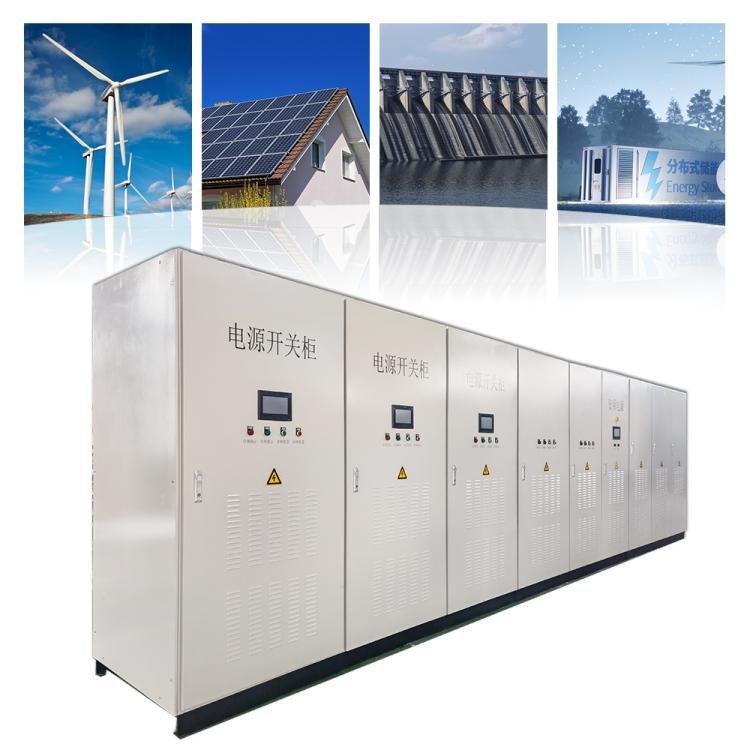
As the core control equipment of wind solar hybrid power generation system, the technical characteristics of wind solar hybrid controller mainly include energy collaborative management, intelligent charge and discharge control, safety protection mechanism, environmental adaptability and scalability, as well as remote monitoring and intelligent management. The following is a detailed introduction:
1、 Energy Collaborative Management
Dual energy input integration: capable of simultaneously processing the input of wind turbines (AC) and photovoltaic modules (DC), converting AC to DC through intelligent rectification modules to achieve unified management of the two energy sources.
Maximum Power Point Tracking (MPPT): The MPPT algorithm is used to track the optimal output points of photovoltaic and wind power in real time, ensuring that each power source operates at its peak efficiency and improving energy utilization efficiency.
Power allocation and load matching: dynamically adjust energy allocation based on load demand, prioritize the use of renewable energy for power supply, and store remaining electricity in batteries; When the power generation is insufficient, it automatically switches to battery power mode.
2、 Intelligent charging and discharging control
Multi stage charging control: supports adaptive three-stage charging modes (constant current charging, constant voltage charging, float charging), automatically switches charging strategies based on battery status, and extends battery life.
Overcharge/Overdischarge Protection: When the battery voltage is above or below the protection threshold, it automatically cuts off charging or load output to prevent battery damage.
Temperature compensation function: Real time monitoring of battery temperature, adjusting charging voltage and current according to ambient temperature to ensure that the battery operates in ideal conditions.
3、 Security protection mechanism
Electrical protection: including reverse connection protection, short circuit protection, lightning protection, etc., to prevent equipment damage caused by improper operation or environmental factors.
System status monitoring and alarm: Real time monitoring of battery voltage, current, temperature and other parameters, as well as the working status of wind turbines and photovoltaic modules. When an abnormality occurs, an alarm signal is sent through the display screen or communication interface, and a fault log is recorded.
Fault self diagnosis and recovery: With self checking function, when the controller is affected by natural factors or human operation errors, it can automatically detect faults and attempt to recover, reducing maintenance costs.
4、 Environmental adaptability and scalability
Wide temperature range: Suitable for extreme environmental temperatures ranging from -40 ℃ to 45 ℃, ensuring stable operation in harsh conditions such as deserts, plateaus, and polar regions.
Multiple battery types support: compatible with various battery types such as lead-acid, lithium iron phosphate, ternary lithium, etc. Users can flexibly choose according to application scenarios and cost requirements.
Modular design and expansion interface: Adopting modular hardware design, supporting functional expansion (such as adding energy storage modules, grid interfaces, etc.). At the same time, it provides rich communication interfaces (such as RS485, MODBUS, GPRS, LoRa, etc.) to facilitate data exchange with the upper computer or cloud platform.
5、 Remote monitoring and intelligent management
Remote monitoring function: support remote monitoring and management through Internet or wireless communication. Users can view real-time data such as system power generation, battery status, and load electricity usage, and remotely adjust control parameters (such as charging voltage and load switch time) to improve operation and maintenance efficiency.
Intelligent management strategy: intelligently switch and adjust the working status of the battery pack based on changes in sunlight intensity, wind speed, and load. For example, prioritizing the use of photovoltaic power generation when there is sufficient sunlight, and switching to wind power supply when the wind is strong; Reduce power generation when the load is light to save energy, and increase power generation when the load is heavy to meet demand.