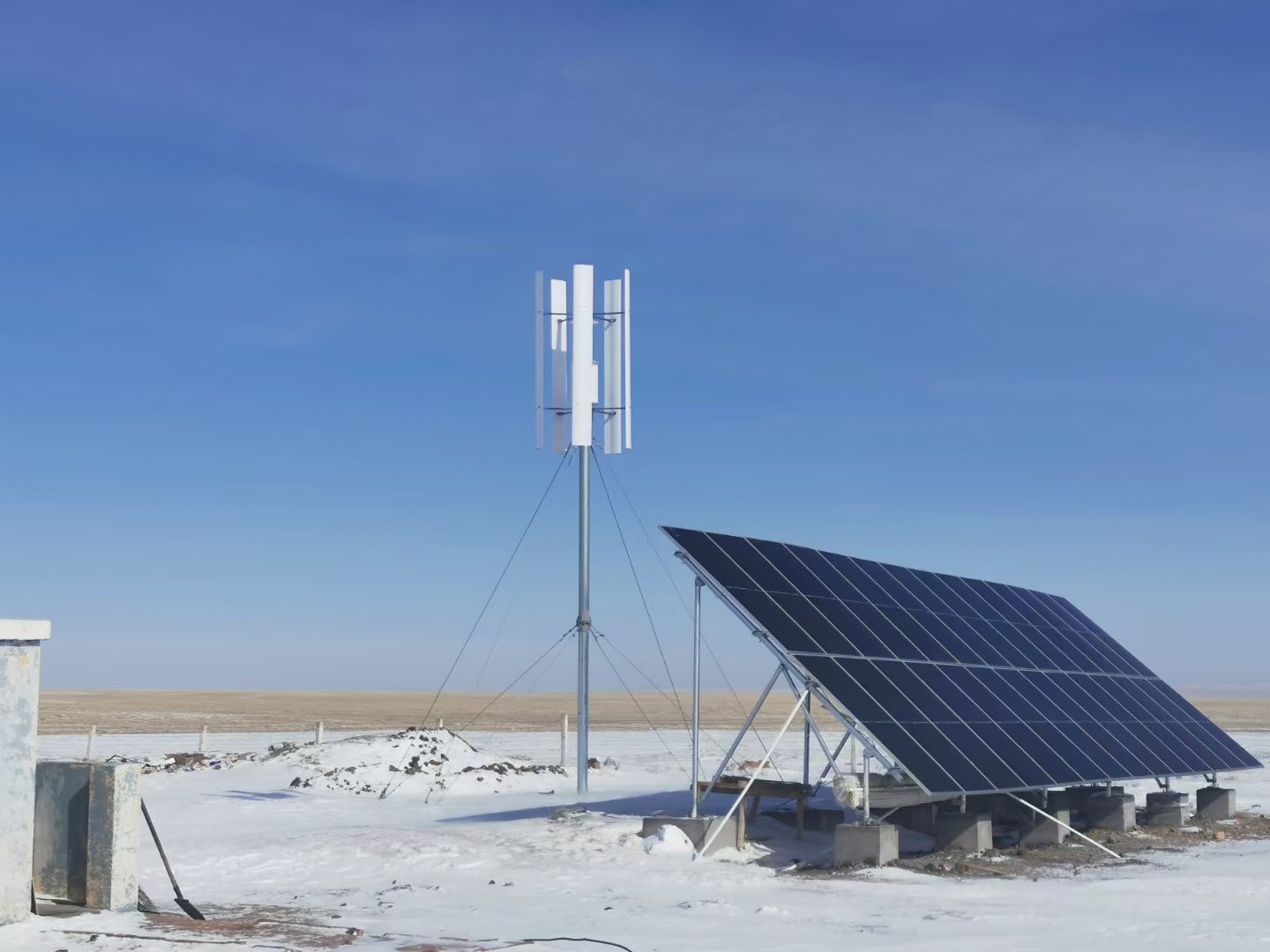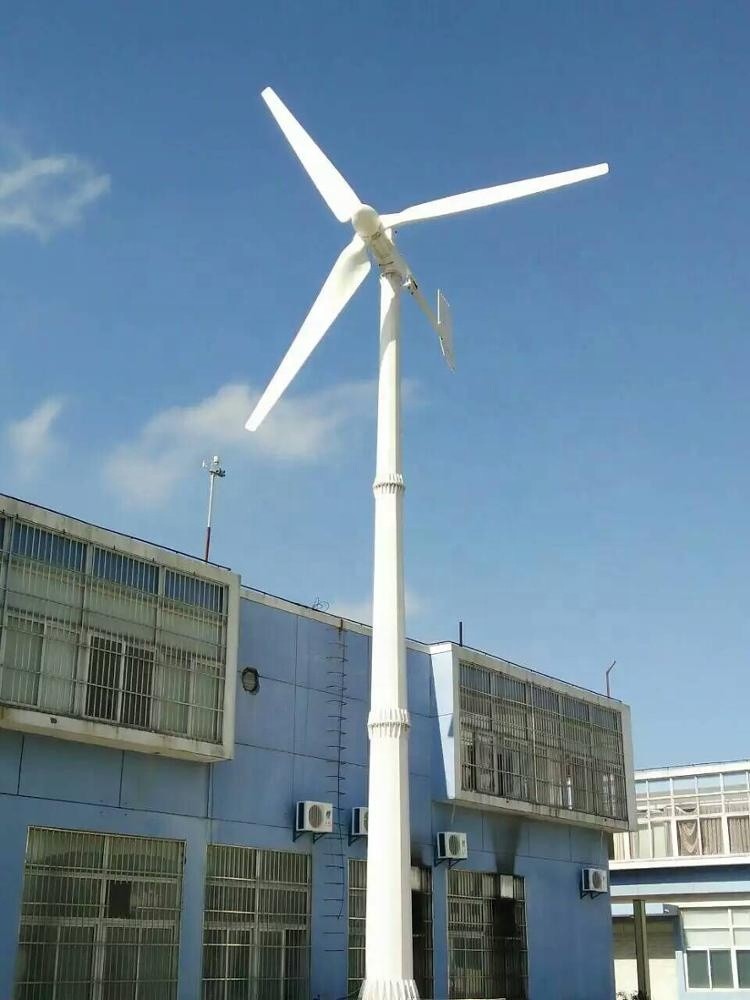
An off-grid wind power system is designed to operate independently of the electrical grid, providing power to locations where grid access is unavailable or impractical. The key components of an off-grid wind power system include:
1. Wind Turbine
1.Purpose: The primary device that converts wind energy into mechanical energy. The wind turbine consists of blades, a hub, and a generator.
2.Types: There are two main types of turbines:
3.Horizontal-axis wind turbines (HAWT): Most common and efficient in large-scale systems.
4.Vertical-axis wind turbines (VAWT): Less common, but useful for locations with turbulent wind conditions.
5.Size: Wind turbines vary in size, typically measured in watts (W) or kilowatts (kW), depending on the energy needs of the off-grid system.
2. Charge Controller
6.Purpose: Protects the battery bank from overcharging or deep discharge. It regulates the voltage and current coming from the wind turbine to the batteries.
7.Function: It ensures the proper charging of the battery system, preventing damage from excessive voltage and current levels.
3. Battery Bank
8.Purpose: Stores the energy produced by the wind turbine for use when the wind is not blowing. Batteries allow for a continuous power supply.
9.Types: Common types include lead-acid, lithium-ion, and flow batteries.
10.Capacity: Battery capacity is crucial in off-grid systems, as it determines how much energy can be stored for use during periods of low wind or high demand.
4. Inverter
11.Purpose: Converts the DC (direct current) electricity stored in the batteries to AC (alternating current) electricity, which is commonly used to power household appliances.
12.Types: Off-grid inverters come in pure sine wave or modified sine wave variations. Pure sine wave inverters are preferred for sensitive electronics.
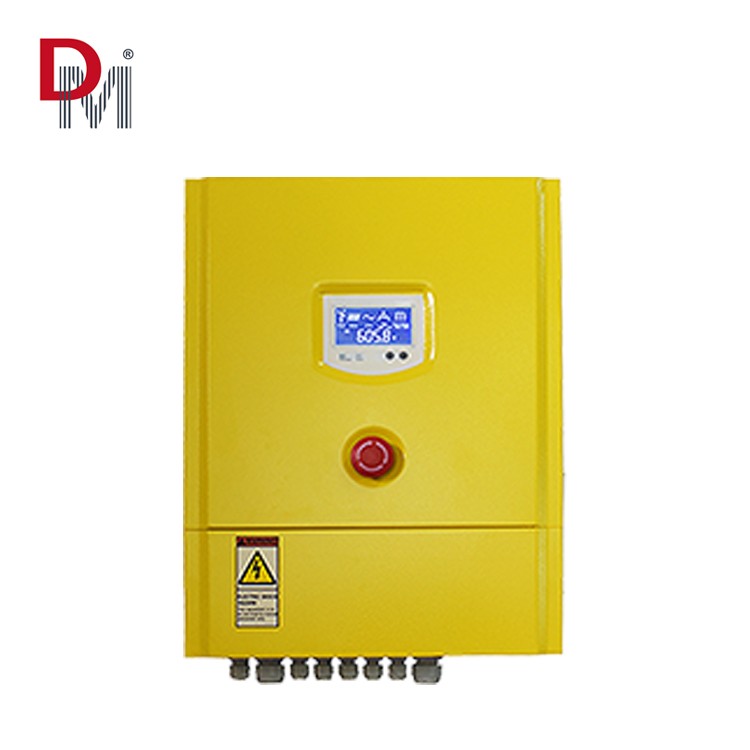
5. Wind Charge Regulator or Power Controller
13.Purpose: A device that ensures optimal performance of the wind turbine by controlling the output power and regulating system operations. It might include a wind direction sensor and brake system.
6. Backup Generator (Optional)
14.Purpose: A backup generator is often used to provide additional power during extended periods of low wind. It acts as a backup source to ensure continuous power.
15.Fuel: Typically runs on diesel, gasoline, or natural gas.
16.Size: The generator should be sized to meet the power requirements of the system without being oversized.
7. Wiring and Electrical Components
17.Purpose: Ensures the safe and efficient transmission of power between the components of the wind power system.
18.Includes: Cables, circuit breakers, fuses, and disconnects to protect the system from overloads and short circuits.
8. Tower
19.Purpose: Supports the wind turbine and raises it to a height where it can catch the strongest winds.
20.Height: Typically, the taller the tower, the more consistent and stronger the wind, which improves energy production.
21.Types: The tower can be a free-standing tower, guyed tower, or a pole-mounted system.
9. Monitoring and Control System
22.Purpose: Allows for the tracking of system performance, wind speed, battery charge levels, and other parameters.
23.Components: Includes sensors, meters, and a central control unit that helps with real-time monitoring, troubleshooting, and adjusting the system if needed.
10. Grounding System
24.Purpose: Ensures that the system is safe from electrical faults by directing stray currents to the ground.
25.Importance: A good grounding system is essential for the safety and longevity of the wind power system.
These components work together to create a reliable, off-grid wind power system. The system’s design will vary depending on energy needs, location, and the local wind conditions. Properly sizing the components and integrating them effectively ensures optimal performance and longevity of the off-grid power system.