As the core equipment of wind power systems, wind turbine inverters have a wide range of application scenarios covering different scales, environments, and energy demand scenarios. The following analysis is conducted from four dimensions: onshore and offshore wind farms, special environments, industrial and commercial and distributed energy, microgrids, and off grid systems:
1、 Onshore wind farms: a combination of large-scale and decentralized approaches
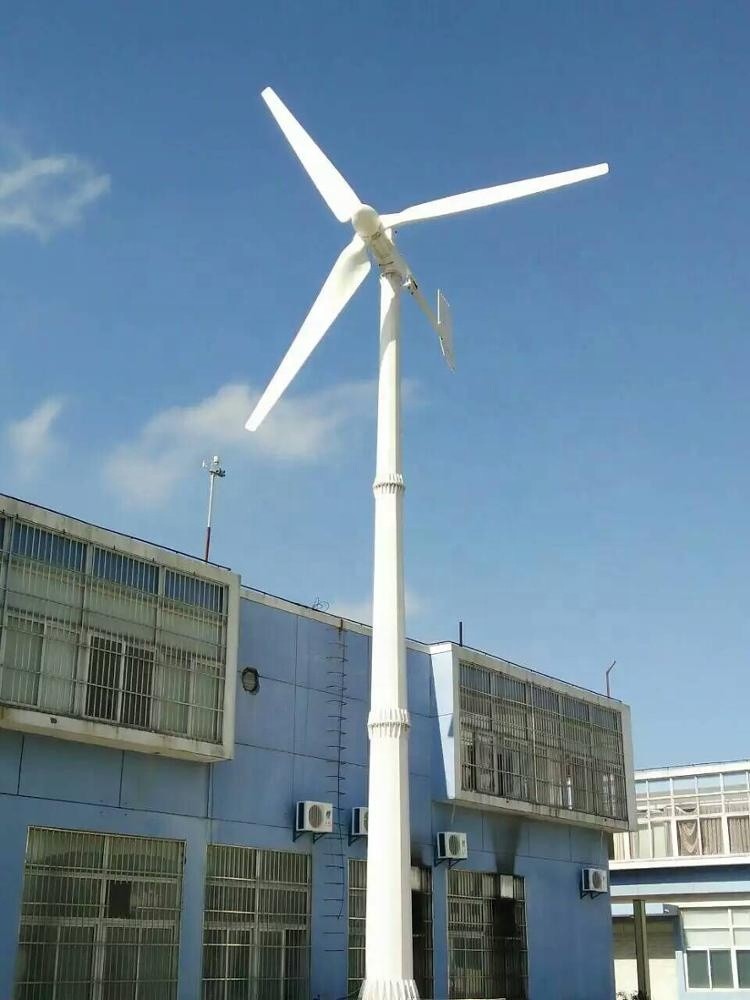
Centralized large-scale wind farm
Application scenario: Suitable for medium to high-speed wind areas with stable wind speed and open terrain (such as Inner Mongolia and Xinjiang), with a single unit capacity of usually 3-5MW, forming a hundred megawatt level wind power base through parallel connection of multiple units.
Technical adaptation: Adopting a doubly fed induction generator+partial power inverter scheme, variable speed constant frequency control is achieved through the rotor side inverter, reducing power generation costs (the cost per kilowatt hour is as low as ¥ 0.21/kWh).
Typical case: Jiuquan Wind Power Base in Gansu Province, with an installed capacity of over 20GW. The inverter supports low voltage ride through (LVRT) function to ensure stable operation in case of power grid failure.
Distributed wind power project
Application scenario: For low wind speed and complex terrain areas (such as mountainous areas and rural areas), with a single unit capacity of 2-3MW, connected to the nearest low-voltage distribution network to reduce transmission losses.
Technical adaptation: Adopting a full power inverter scheme, the output electrical energy of the generator is directly converted into AC power at the power frequency, supporting islanding mode operation and adapting to areas without grid coverage.
Typical case: The decentralized wind power project in Chenzhou, Hunan Province, achieved flexible expansion through string inverters, with a cost of ¥ 0.25/kWh per kilowatt hour.
2、 Offshore wind farms: high reliability and large capacity
Offshore fixed wind power
Application scenario: Offshore areas with a water depth of less than 60 meters, with a single unit capacity of 5-8MW, connected to the grid through submarine cables, suitable for areas with high wind speeds and stable sea conditions (such as Rudong, Jiangsu).
Technical adaptation: Adopting modular multilevel converter (MMC), supporting large capacity energy conversion (such as 8MW inverter), equipped with full-size LC filter, reducing harmonic pollution (THD<1.5%).
Typical case: For example, in the East China Sea wind farm, the inverter has passed C5M anti-corrosion certification and is suitable for high salt spray environments, with an annual equivalent full load hours exceeding 3000 hours.
Deep sea floating wind power
Application scenario: Deep sea areas with water depth>60 meters, single machine capacity of 10MW+, connected to the grid through dynamic cables, suitable for sea areas with richer wind resources (such as Yangjiang in Guangdong).
Technical adaptation: Adopting a full power inverter+medium voltage direct current transmission (VSC-HVDC) scheme to reduce transmission losses, supporting ± 30% reactive power regulation, and stabilizing grid voltage.
Typical case: Three Gorges Yangjiang floating wind power project, equipped with virtual synchronous machine (VSG) technology for inverters to enhance the inertial support capability of the power grid.
3、 Special environment: high altitude, salt spray, and extreme climate
High altitude wind farm
Application scenario: In areas with an altitude of more than 3000 meters (such as Xizang and Qinghai), the thin air makes it difficult for the equipment to dissipate heat, which requires special design.
Technical adaptation: Adopting enhanced cooling inverters (such as liquid cooling systems) and low-temperature start function (-40 ℃ start) to ensure stable operation of the equipment in low-pressure and low-temperature environments.
Typical case: Xizang Cuomezhegu Wind Farm, the inverter has passed the high altitude certification, and the power density has increased by 20%.
Salt spray corrosion environment
Application scenarios: Coastal intertidal zones, island wind power projects (such as Pingtan, Fujian), severe salt spray corrosion, requiring high protection level equipment.
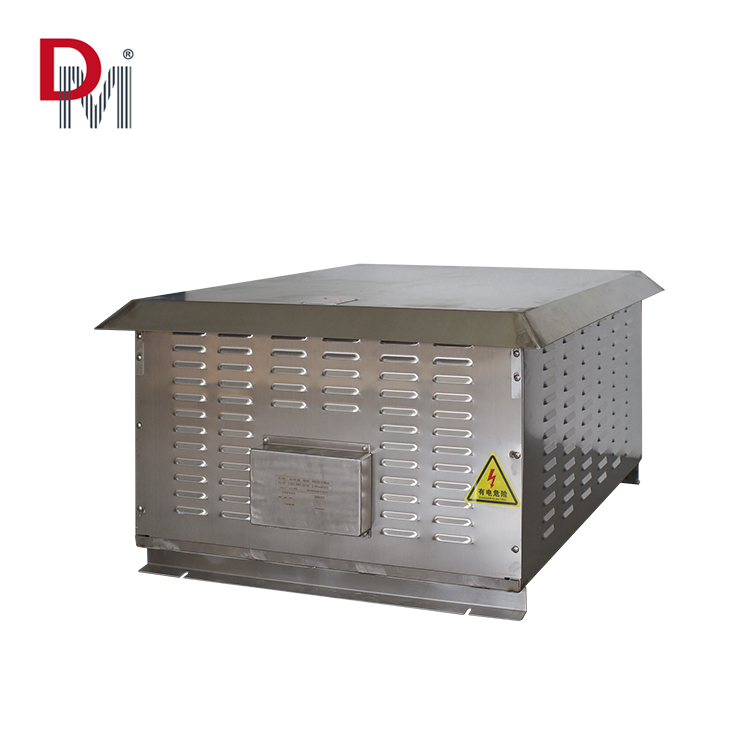
Technical adaptation: Adopting stainless steel shell, triple anti coating (moisture-proof, anti mold, anti salt spray), key components (such as IGBT, capacitor) sealed design, extending service life (over 20000 hours).
Typical case: In the intertidal zone wind farm in Rudong, the inverter failure rate is less than 0.1 times per year.
Extreme climate regions
Application scenarios: Regions with large temperature differences and severe sandstorms such as deserts and polar regions (such as Turpan in Xinjiang and Antarctic scientific research stations).
Technical adaptation: Adopting a wide temperature range inverter (-40 ℃~+70 ℃ working range), anti sand filter and self-cleaning coating to adapt to harsh environments.
Typical case: The wind power project at Zhongshan Station in Antarctica, where the inverter has passed polar certification and supports unmanned operation.
4、 Business and Distributed Energy: Flexible Configuration and Economic Optimization
Commercial and industrial wind power for personal use
Application scenarios: In factories, parks, and other scenarios, reducing electricity costs through wind power and energy storage systems, supporting peak valley arbitrage and demand response.
Technical adaptation: Adopting a string inverter (2-5MW), supporting multiple parallel and phased construction, combined with an energy storage system to achieve energy time shift.
Typical case: A wind power project in an industrial park in Jiangsu Province, with an annual cost reduction of 2 million yuan and a demand response time of less than 200ms.
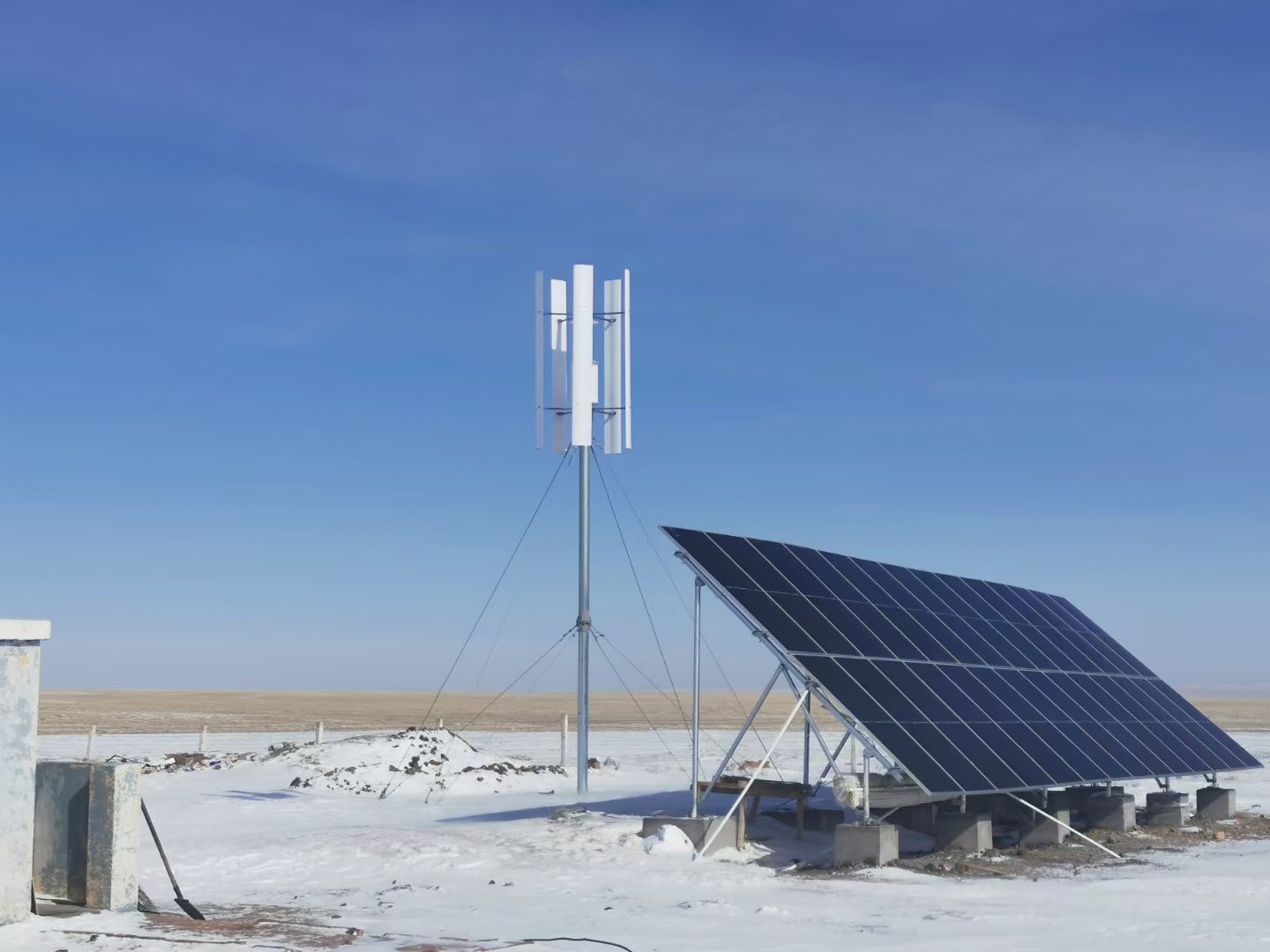
Distributed wind power+photovoltaic complementary system
Application scenario: In remote areas such as rural areas and islands, combining photovoltaic power generation to achieve 24-hour stable power supply and reduce dependence on diesel generators.
Technical adaptation: Adopting micro inverter or string inverter, supporting integrated control of wind, solar and energy storage, and optimizing the matching of power generation and consumption through energy management system (EMS).
Typical case: Zhejiang Zhoushan Island Microgrid Project, the inverter supports islanding/grid connected dual-mode switching, and the power supply reliability reaches 99.9%.
5、 Microgrid and Off Grid Systems: Independent Power Supply and Emergency Support
Microgrid in remote areas
Application scenario: In mountainous areas, deserts, and other regions without grid coverage, a microgrid is composed of wind power, energy storage, and diesel generators to meet basic electricity needs.
Technical adaptation: Adopting a full power inverter, supporting black start function (autonomous start when there is no grid), equipped with low voltage ride through and islanding protection.
Typical case: A microgrid project in a village in Africa, with an inverter conversion efficiency of 96%, supporting local medical and educational electricity consumption.
Emergency power supply system
Application scenarios: Temporary power supply after disasters such as earthquakes and typhoons, or backup power supply for critical facilities such as data centers and hospitals.
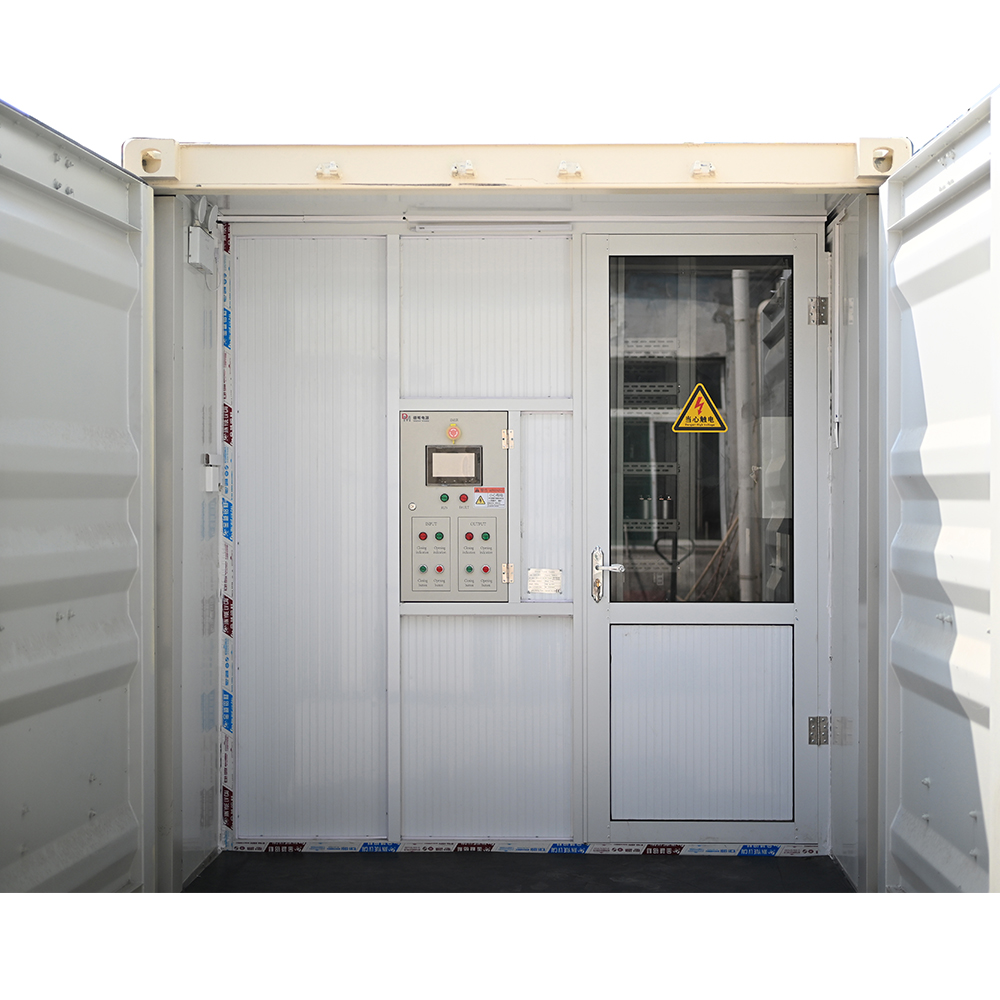
Technical adaptation: Adopting mobile inverters (such as container type) for rapid deployment, supporting complementary operation of diesel generators and wind power.
Typical case: After the Fukushima nuclear accident in Japan, a mobile wind power inverter provided power to a temporary installation site.